予測を支える足
2025/12/18
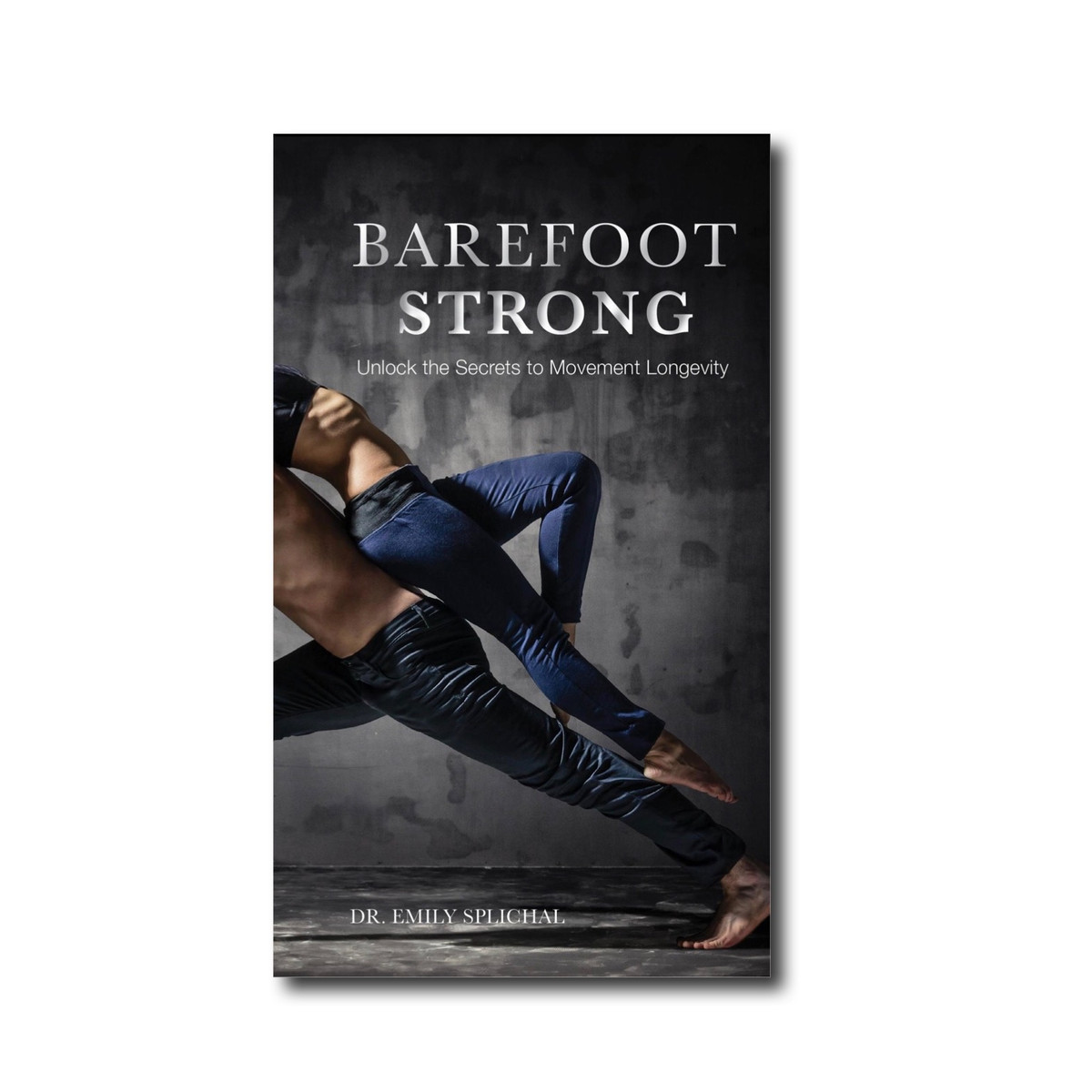
『Barefoot Strong: Unlock the Secrets to Movement Longevity』
Dr Emily Splichal
2015/2/19と10年ほど前の出版だから、その後更に研究が進んで解明された事や状況が変化している事もあるかもしれないけれど、
112ページとコンパクトながら足に関して、足病医の著者の神経学的な視点からも、よく解説されているお気に入りの一冊。
シルク・ドゥ・ソレイユの話題も出てくるが、バレエ専用の床システムの施工がある様に、床が大事ということはご存知の方が多いと思う。
それは足裏からの情報をもとに神経系が予測するのを妨げない床という事でもあり、私たち自身のその予測機能が正確に働けるように整えておく事もまたとても大切だということかと。
何故裸足のワークで様々なテクスチャーの刺激に触れることが大事なのか、再考してみる上でもとても参考になるので、今日はその一部を機械翻訳とあわせてご紹介させて戴きたいと思う。
※表面科学について
Introducing Surface Science
All surfaces provide a certain frequency of vibrations when contacted by the foot. With the optimal frequency around 15-20 Hz our neuromuscular system is designed to create a reflexive response to this input. It is these vibrations that provide the energy we need to take the next step and therefore our ability to match this frequency is important in the reduction of injury risk. The science of surfaces is built around the concept of vibrations and potential energy.
表面科学のご紹介
あらゆる表面は、足がコンタクト(接触)すると特定の周波数の振動を発します。
最適な周波数は15~20Hz程度で、私たちの神経筋系はこの入力に対して反射的な反応を生み出すように設計されています。
これらの振動こそが、私たちが次の一歩を踏み出すために必要なエネルギーを生み出すため、この周波数に合わせる能力は怪我のリスクを軽減する上で重要です。
参考:
表面科学(ひょうめんかがく、英語:surface science)は表面または界面を扱う自然科学の一分野のこと。 理論、実験両面から様々な研究が行われている。
https://ja.wikipedia.org/wiki/表面科学
ーーーーーーーーーーーー
※衝撃力の予測について
Anticipation of Impact Forces
Research by Nigg et al. has shown that as we walk, by the 3rd or 4th step our nervous system has already pre-programmed a response to match the degree of impact forces. It is as if the foot begins to anticipate and predict the degree of impact forces during activity. This concept of anticipation is referred to pre-activation neuromuscular responses and is a key component to movement efficiency and ultimately movement longevity. Now although this may seem like a big word or complex theory, in simple terms it means that after enough repetitions your body begins to create muscle memory or subconscious movement patterns.
衝撃力の予測
Niggらによる研究によると、歩行中、3歩目か4歩目までに神経系は衝撃力の強さに応じた反応を既にプログラムしていることが明らかになっています。まるで足が活動中に衝撃力の強さを予測し始めているかのようです。この予測の概念は、活性化前の神経筋反応と呼ばれ、運動効率、ひいては運動持続性の重要な要素です。これは難しい言葉や複雑な理論のように聞こえるかもしれませんが、簡単に言えば、十分な反復運動を繰り返すことで、体が筋肉の記憶、つまり潜在意識の運動パターンを作り始めることを意味します。
ーーーーーーーーーーーー
※ダンサーの障害と床について
Due to the meticulous training of the dancers, very few injuries are reported by Cirque du Soleil. Several years ago when they got a new stage the dancers started complaining of Achilles tendonitis and plantar fasciitis (two impact-related injuries). Dr Nigg went to the training facility in L.A. and examined the stage. Nigg noticed that there were beams throughout the stage that altered the vibration frequency when a dancer would land in this area. According to the pre-activation theory if the dancers’ nervous system was expecting a certain degree of vibrations but they happened to land on the stage over the beam there would be a different vibration frequency and a mismatched loading response. Nigg recommended that the beams be removed and the stage made into one consistent compliancy. This uniform surface compliancy would allow accurate anticipation of impact frequency. What was the result? All the dancer’s injuries went away! I know approach all my patients and athletes with this theory in mind and can start identifying the change in surfaces that are associated with their injury pattern. A mismatch between anticipated vibration frequency and loading response leads to injury.
ダンサーへの綿密なトレーニングのおかげで、シルク・ドゥ・ソレイユでは怪我の報告がほとんどありません。数年前、新しいステージが導入された際、ダンサーたちはアキレス腱炎と足底筋膜炎(いずれも衝撃に関連する怪我)を訴え始めました。ニグ博士はロサンゼルスのトレーニング施設を訪れ、ステージを検査しました。ニグ博士はステージ全体に梁があり、ダンサーがその部分に着地すると振動周波数が変化することに気付きました。事前活性化理論によれば、ダンサーの神経系がある程度振動を予期していても、偶然梁の上に着地した場合、異なる振動周波数と不一致な荷重反応が生じることになります。ニグ博士は梁を取り除き、ステージを一貫した柔軟性のあるものにすることを推奨しました。この均一な表面の柔軟性により、衝撃周波数を正確に予測できるようになります。その結果はどうなったでしょうか?ダンサーたちの怪我はすべて消えたのです!私は今、この理論を念頭に置いてすべての患者とアスリートに接し、怪我のパターンに関連する表面の変化を特定し始めることができます。予測される振動周波数と荷重応答の不一致は傷害につながります。
ーーーーーーーーーーーー
※足裏のメカノレセプターについて
Plantar Proprioceptors
What’s unique about the PNS and the foot is this is where the smallest nerve branches exist. Divided into both sensory and motor nerves, cadaver studies have shown that 3 times as many branches of the tibial nerve (foot nerve) provide sensory function versus motor function. The peripheral nerves that have a sensory function in the skin are referred to as cutaneous nerves or in the bottom of the foot they are our plantar cutaneous receptors (aka plantar mechanoceptors). These small plantar cutaneous nerves are responsible for processing information such as texture, skin stretch, vibration, deep pressure and light touch - all of the stimuli which allows us to maintain upright stance, manipulate uneven terrain and absorb impact forces.
足底固有受容器
末梢神経系と足のユニークな点は、最小の神経枝が存在することです。感覚神経と運動神経に分かれており、死体研究では、脛骨神経(足の神経)の枝が運動機能の3倍も感覚機能を提供していることが示されています。皮膚で感覚機能を持つ末梢神経は皮神経と呼ばれ、足の裏では足底皮受容器(別名、足底機械受容器)と呼ばれます。これらの小さな足底皮神経は、質感、皮膚の伸縮、振動、深い圧力、軽い触覚などの情報の処理を担っています。これらの刺激はすべて、直立姿勢を維持し、不均一な地形を処理し、衝撃力を吸収することを可能にします。
ーーーーーーーーーーーー
※加齢と裸足トレーニングについて
Our ability to detect surface compliancy and impact forces is heavily dependent on vibration detection. The importance of this sensory input is demonstrated by the fact that 80% of our plantar receptors are sensitive to vibration! If we go back to aging and the accuracy of input information for precise and controlled movements, the importance of vibration detection is of upmost importance. So how does aging affect our ability to detect vibration? Studies have shown that as we age, our ability to detect vibration input is impaired. From decreased plantar receptor density to increased input threshold, by the time we are age 70 our plantar foot requires twice the stimulation to create the same response! Despite this astounding fact very few fall reduction programs or Senior Fitness programs involve barefoot training or exercise to protect the peripheral nerves.
表面の柔軟性と衝撃力を検知する私たちの能力は、振動の検知に大きく依存しています。この感覚入力の重要性は、足底受容器の 80% が振動に敏感であるという事実によって実証されています。加齢と、正確で制御された動作のための入力情報の精度に立ち返ると、振動検知は極めて重要です。では、加齢は振動を検知する能力にどのように影響するのでしょうか? 研究によると、加齢とともに振動入力を検知する能力は低下します。足底受容器密度の低下から入力閾値の上昇まで、70歳になると、足底は同じ反応を生み出すために 2 倍の刺激を必要とします。この驚くべき事実にもかかわらず、転倒防止プログラムやシニアフィットネスプログラムで、末梢神経を保護するために裸足トレーニングやエクササイズを取り入れているものはほとんどありません。
この記事へのコメントは終了しました。
コメント